Legislative Update: March 2026
March 13, 2026
Minnesota Legislative Session – Commercial Real Estate & Tax Issues
The 2026 Minnesota legislative session convened on February 17 and committees have begun hearing bills that could impact commercial real estate investment, taxation, and development across the state. With one of the most closely divided legislatures in Minnesota history, significant policy changes will likely require bipartisan agreement.
NAIOP Minnesota continues to actively monitor legislation affecting commercial real estate owners, developers, and investors. Below is a summary of the key tax and policy issues circulating at the Capitol so far this session.
Pass-Through Entity Tax Extension (HF 3127 / SF 3405)
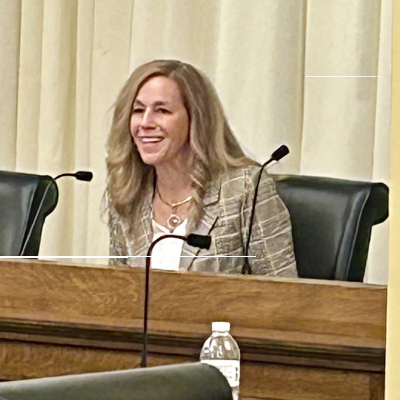 This year one of the most important tax issues for commercial real estate partnerships and closely held businesses is legislation to extend Minnesota’s Pass-Through Entity Tax (PTET) election.
HF 3127 would extend the state’s PTET provision through tax year 2027. The provision allows partnerships, LLCs, and S-corporations to elect to pay Minnesota income taxes at the entity level, allowing those taxes to remain fully deductible federally despite the federal limitation on state and local tax (SALT) deductions.
Without legislative action, the PTET provision expired after tax year 2025. Extending the election ensures that Minnesota businesses, including many commercial real estate partnerships, can continue to deduct legitimate state tax expenses at the federal level.
Industry groups including NAIOP Minnesota testified in the House and Senate in support of this legislation as a revenue-neutral fix that preserves tax fairness and maintains Minnesota’s competitiveness for investment and business ownership. We expect this to pass as a stand-alone bill.
Adaptive Reuse Legislation
While we continue to advocate for the Catalyst for Underutilized Buildings (CUB) credit or other adaptive reuse legislation, we decided to be proactive and make an existing tool, tax increment financing (TIF), more effective for obsolete buildings. More to come on with this exciting development idea!
Data Privacy in Property Tax Appeals
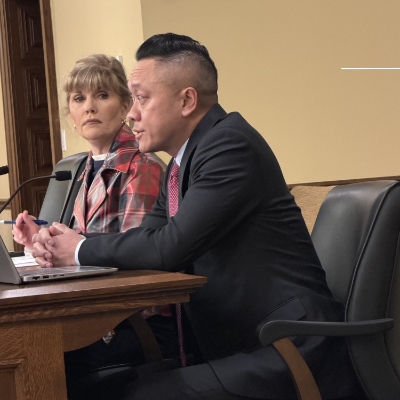 We have been working for three years since the Oracle decision from the Minnesota Supreme Court required a legislative fix to keep proprietary information private when appealing property taxes in court.
Lane Thor with Ryan Tax testified in the House and Senate. SF 3804 passed the Judiciary Committee and is moving to the Tax Committee next. We are hopeful to get this across the finish line this year.
Tenant’s Rights Bills
Multiple “Tenant’s Rights” bills have been introduced which make it harder or add significant time to evict non-paying tenants both in residential and commercial settings. Minneapolis is also introducing similar pre-eviction notices for commercial tenants. We are submitting letters in opposition and discussing unintended consequences for the people they are trying to help.
Federal Fly In
Our NAIOP MN delegation had several productive meetings with Majority Whip Tom Emmer, Rep. Michelle Fischbach, Rep. Pete Stauber and several staff of our congressional leaders. We discussed energy, transportation & adaptive reuse.
Budget Surplus with Structural Deficit
MMB presented their February forecast with the FY 2026-27 projected balance of $3.7 billion, $1.3 billion higher than November estimates. Spending growth outpaces revenue growth through projections for FY 2029, creating a significant structural imbalance down the road and a $377 million projected general fund balance.
Rising Property Taxes and Legislative Response
Property tax increases remain one of the most significant concerns for commercial property owners across Minnesota.
Statewide property taxes increased approximately 6.4% in 2026, the largest increase since 2008.
In response, lawmakers are considering legislation to create a Property Tax Task Force (HF 3396) that would examine the drivers behind rising local property taxes and recommend long-term reforms. This would provide an opportunity to talk about our long-term goal of eliminating the state general levy on commercial/industrial properties.
For commercial real estate owners, continued levy growth from cities, counties, and school districts remains a major cost pressure impacting property values, tenant rents, and redevelopment feasibility.
Property Tax Refund and Relief Proposals
Lawmakers have also introduced proposals aimed at addressing rapidly rising property tax bills.
One example, HF 3959, would expand the state’s property tax refund program for homeowners when property tax increases exceed six percent.
While primarily focused on homestead property owners, these proposals signal that property tax relief will likely be a major theme during the session, potentially opening the door to broader tax reform discussions that could affect commercial property taxation.
Local Sales Tax Proposals
The Legislature continues to see increasing requests from cities for authority to impose local option sales taxes to fund infrastructure and economic development projects.
More than 70 Minnesota cities now have local sales taxes, and lawmakers are discussing whether to create standardized criteria for approving these proposals in the future.
These taxes often fund infrastructure improvements that support redevelopment and commercial development, but they also raise broader questions about Minnesota’s overall tax structure.
What to Expect This Session
With a narrowly divided legislature, major tax changes may be difficult to pass unless they have broad bipartisan support. However, several themes are emerging:
- Stabilizing the pass-through entity tax election & other federal tax conformity
- Addressing rising property taxes
- Continued expansion of local sales taxes
- Adaptive reuse, data privacy in tax appeals, tenant rights, and many more!
NAIOP Minnesota will continue working with legislative leaders and coalition partners to ensure the commercial real estate industry’s perspective is represented as these proposals move through committee hearings.
✔ Next Update
NAIOP will provide additional updates as bills move through committee deadlines and the omnibus bills begin to take shape later this spring.